What is Central Serous Retinopathy?
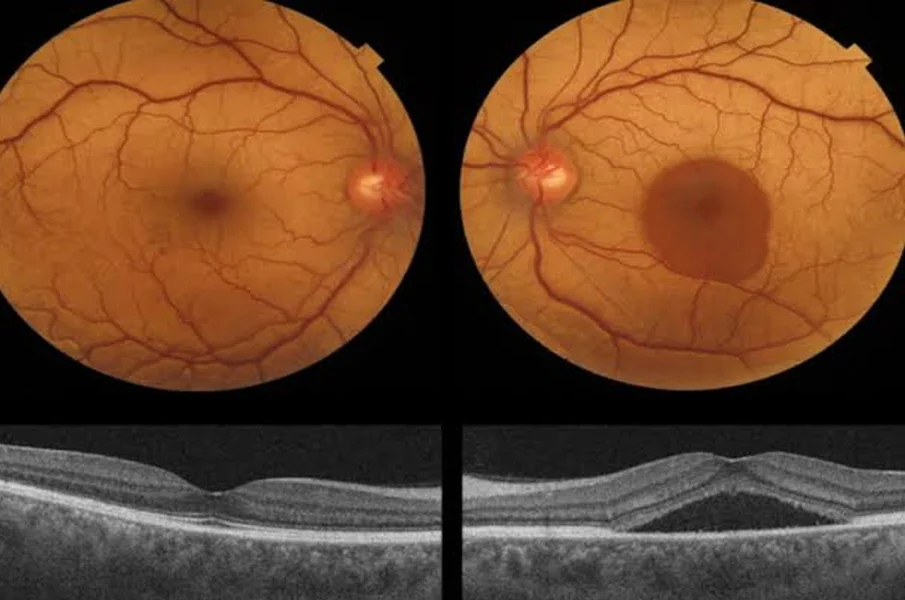
Central serous retinopathy (CSR), also called central serous chorioretinopathy (CSCR), is an eye condition that affects the retina and can temporarily interfere with central vision. It occurs when fluid accumulates beneath the retina, particularly around the macula, the area responsible for detailed central vision.
Although many cases improve on their own, some can persist or recur and may require medical monitoring or treatment. Understanding the causes, symptoms, and available approaches to central serous chorioretinopathy management can help people recognise changes in their vision and seek appropriate care.
What Happens in Central Serous Retinopathy?
The retina contains specialised cells that detect light and transmit visual information to the brain. Beneath the retina is a vascular layer called the choroid, which supplies blood and nutrients to the outer retina.
In CSCR, changes involving the choroid and retinal pigment epithelium can contribute to fluid leaking beneath the neurosensory retina. When this fluid accumulates near the macula, central vision can become distorted or blurred.
The condition may affect one eye or both eyes, although one eye is often more noticeably affected.
What Are the Symptoms?
CSCR is not fully understood. Research suggests that abnormal changes in the choroidal circulation and retinal pigment epithelium may contribute to fluid accumulation beneath the retina.
Several factors have been associated with an increased likelihood of developing CSCR. These include the use of corticosteroids, psychological stress, and certain hormonal or systemic factors.
However, having one of these factors does not mean that a person will necessarily develop the condition.
Who Is More Likely to Develop CSR?
CSCR has traditionally been reported more frequently in younger and middle-aged adults, particularly men. However, it can occur in people of different ages and genders.
People who use corticosteroid medications may have a higher risk. Corticosteroids can be prescribed for numerous medical conditions, so patients should not stop prescribed medication without speaking with the doctor who manages their treatment.
Understanding personal risk factors can help doctors provide appropriate advice when considering CSCR treatment.
How Is It Diagnosed?
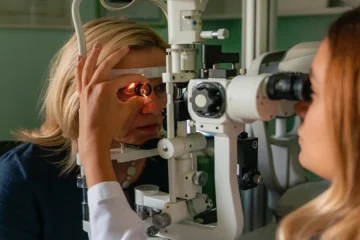
An ophthalmologist will usually begin with a detailed eye examination and review of the patient’s symptoms and medical history.
Optical coherence tomography (OCT) is commonly used to produce detailed images of the retina. It can show fluid beneath the retina and help doctors monitor changes over time.
Fluorescein angiography may also be used in selected cases to identify areas where fluid is leaking. Other imaging techniques, including indocyanine green angiography, can provide additional information about the choroid when necessary.
Treatment Options
Several approaches may be considered for persistent or recurrent CSCR.
Photodynamic therapy (PDT) is one established treatment option. It uses a light-activated medication and specialised laser treatment to target abnormal choroidal circulation.
In selected situations, ophthalmologists may consider other treatments or approaches depending on the underlying findings and individual circumstances.
The choice should be made by an eye specialist after assessing the retina and discussing the potential benefits and risks.
Can CSCR Be Prevented?
There is no guaranteed way to prevent CSCR. However, identifying and managing relevant risk factors may be helpful.
If corticosteroids are being used, patients should discuss their medication with their prescribing doctor. Stress management and maintaining general health may also be beneficial, although these measures do not guarantee prevention.
Regular eye assessments may be particularly important for people who have experienced CSCR previously.
Conclusion
Central serous retinopathy is a retinal condition involving fluid accumulation beneath the retina that can temporarily affect central vision. Symptoms may include blurred or distorted vision, changes in colour perception, and central visual disturbances.
Many acute cases improve without treatment, but persistent or recurrent CSCR may require closer monitoring or intervention. If you experience unexplained changes in central vision, an eye examination can help establish the cause.
For individuals requiring central serous chorioretinopathy treatment, the most appropriate approach depends on the duration and severity of the condition, retinal findings, and individual visual needs. Regular follow-up with an ophthalmologist can help guide treatment decisions and monitor recovery.