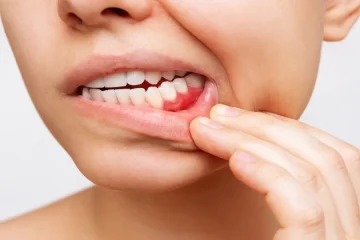
Why Gum Contouring Is Often Part Of Cosmetic Implant Planning
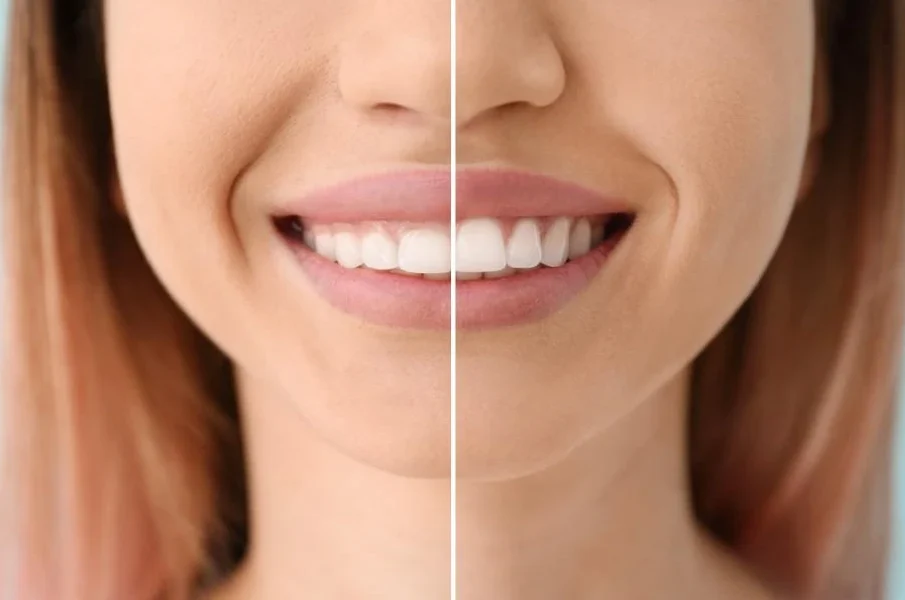
You might be thinking a dental implant is mostly about the tooth itself. That makes sense. When a visible tooth is missing or damaged, your attention goes straight to the crown, the color, the shape, and whether your smile will look natural again. But once planning begins, many people learn that the gumline matters just as much as the implant. That can feel like one more thing to worry about, especially if you were hoping for a simple fix. A Hyannis dentist for smile restoration can help you understand how both the implant and gumline work together for a natural-looking result.
Here is the short answer. Why Gum Contouring Is Often Part Of Cosmetic Implant Planning comes down to balance. If the gums sit too high, too low, or unevenly around an implant, even a well made tooth can look off. Thoughtful reshaping of the gumline can help the final result look more even, frame the implant better, and support long term comfort and cleaning. In cosmetic dentistry, small tissue changes often make the biggest visual difference.
Why does the gumline matter so much in cosmetic implant treatment?
An implant replaces a tooth root, but your smile is judged by more than the tooth alone. People notice symmetry, how the gum hugs the tooth, and whether one side matches the other. If the soft tissue is bulky, recessed, or uneven, the implant crown may seem too long, too short, or simply different from the neighboring teeth.
Because of this, gum reshaping for dental implants is often discussed early, not as an extra for no reason, but as part of the design. Think about a front tooth implant. If the gum peak on the implant side sits lower than the natural tooth next to it, your eye catches that mismatch right away. The crown may be perfect on its own, yet the smile still feels unfinished.
This is especially true in the smile zone, where tiny differences show. An implant and cosmetic dentist may look at tooth position, lip line, bone support, and gum thickness before recommending any contouring. So, where does that leave you? It means planning is less about adding steps and more about avoiding a result that looks repaired instead of natural.
What problems can happen if gum contouring is skipped?
Sometimes no contouring is needed. But when the tissue shape is not ideal, skipping it can create cosmetic and practical problems. The implant crown may look wider than the teeth beside it. Black triangles can appear near the gumline. The tissue may trap food or make cleaning harder. In some cases, the crown has to compensate for tissue problems, which can make the tooth look unnatural.
There is also the issue of timing. If gum architecture is ignored until the final stage, correcting it later may take more visits, more healing time, and more money. That is frustrating when you thought the hardest part was already over. Careful planning helps reduce those surprises.
Research also supports the value of soft tissue management around implants. A recent clinical review on peri implant soft tissue augmentation points to the role of soft tissue thickness and contour in both esthetics and maintenance. Another systematic review on soft tissue changes around implants highlights how tissue conditions can affect the final appearance over time. In plain terms, the gums are not background scenery. They are part of the result.
When is soft tissue contouring around implants most helpful?
Not every patient needs the same approach. Some need a small gum lift to even the line. Others need tissue shaping during healing so the gum forms a more natural collar around the implant crown. In certain cases, grafting or contouring is considered when the tissue is thin or has receded.
A common example is a single front implant after trauma. The tooth is gone, the implant is stable, but the gumline sits unevenly because the area healed differently. Another example is when one tooth has worn down or drifted over time, changing how the gums look across the front teeth. Cosmetic implant planning takes those details seriously because they affect what you see every day in the mirror.
How do gum contouring and implant planning compare in real life?
It helps to see the difference between treating only the missing tooth and planning the whole smile.
| Planning Focus | Tooth Only Approach | Cosmetic Implant Planning With Gum Evaluation |
|---|---|---|
| Main goal | Replace the missing tooth | Replace the tooth and match the surrounding smile |
| Gumline symmetry | May be overlooked | Checked early and corrected if needed |
| Final crown appearance | Can look long, flat, or bulky if tissue is uneven | More natural emergence and shape |
| Cleaning and maintenance | May be harder if tissue traps debris | Often easier when contours are planned well |
| Chance of late cosmetic revisions | Higher if tissue issues show up at the end | Lower when soft tissue is addressed from the start |
What can you do now if you are considering cosmetic dental implants?
1. Ask to see the gumline plan. Do not stop at asking what the implant crown will look like. Ask how the gums are expected to heal, whether the tissue matches the other side, and if contouring is part of the sequence. A good plan should include both hard tissue and soft tissue goals.
2. Talk about temporary stages. Temporary crowns and healing components are often used to shape tissue before the final crown is placed. If you understand that process ahead of time, the timeline feels less confusing and you can judge progress more realistically.
3. Ask what supports long term stability. You want a result that still looks good after healing, not just on delivery day. Ask about tissue thickness, home care, and whether any soft tissue procedure could improve the look and function of the area over time. That is a smart question in any cosmetic dental implants discussion.
What should you take away from all this?
If you have been focused only on the implant tooth, you are not missing something obvious. Most people do. But in smile design, the gums frame everything. That is why implant gum contouring is often part of planning, especially for visible teeth. It is not about adding treatment for the sake of it. It is about helping the implant blend in, feel easier to maintain, and look like it belongs there.
If you are exploring treatment with an implant and cosmetic dentist, ask for a plan that considers the full picture, including the tissue around the tooth, so you can move forward with more clarity and confidence.