Dr. Larry Davidson Shares Insights on Patient-Centered Outcomes in Deformity Surgery

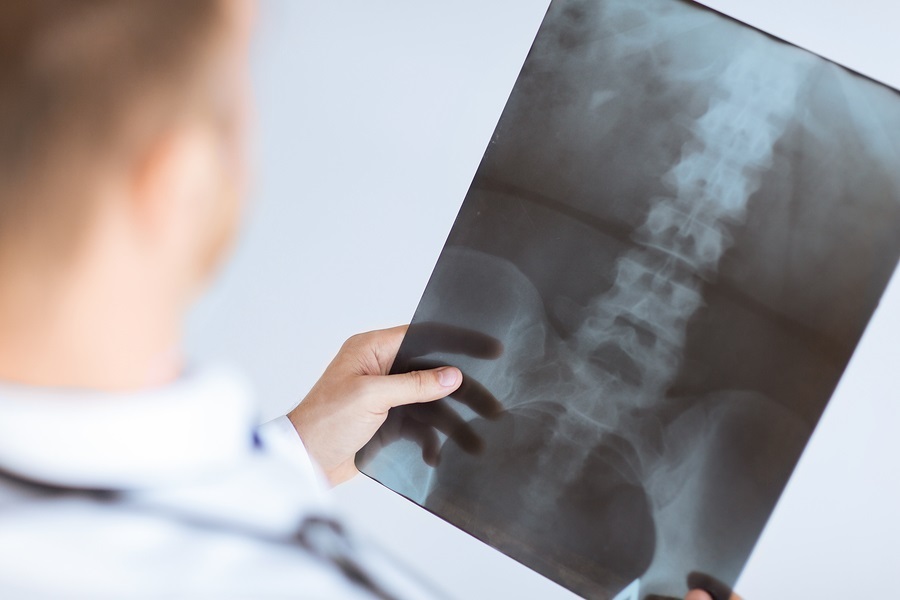
For years, spinal deformity surgery was measured primarily by how much a curve could be straightened on X-rays. While this approach offered visible improvements, it often failed to capture what patients truly valued after surgery. Dr. Larry Davidson, a leader in minimally invasive spinal surgery, has emphasized that a straight spine does not always mean reduced pain, improved mobility or restored independence. Surgeons are redefining success through patient-centered outcomes. These outcomes focus on quality of life, mobility and pain reduction, factors that reflect patients’ day-to-day experiences, and provide a more complete picture of surgical impact.
Redefining Success in Spinal Surgery
Traditional correction goals remain important, but they are now considered alongside patient-centered benchmarks. Many patients find the greatest value, not in radiographic results, but in regaining independence, returning to work or performing daily activities, without constant discomfort.
This shift represents a broader evolution in spine care, where success is now defined by quality of life, rather than imaging alone. Surgeons and care teams are focusing on outcomes that matter most to patients; less pain, greater mobility and the ability to return fully to daily activities and work. By aligning treatment goals with patient priorities, providers deliver care that is both clinically effective and personally meaningful, supporting lasting satisfaction and overall well-being.
Dr. Davidson explains, “A straight spine on an X-ray is not the same as a successful outcome. What matters most is whether patients regain comfort, mobility and independence.” This perspective reflects the shift toward patient-centered outcomes, where quality of life and functional improvements define success, more than imaging alone.
The Role of Quality of Life
Quality of life is central to modern spinal care. Patients want more than improved posture. They want the confidence and the ability to participate in meaningful aspects of life. When surgery supports social activity, independence and emotional well-being, outcomes feel more complete.
Recognizing these broader dimensions of recovery encourages a more holistic approach to treatment planning. Surgeons, physical therapists and rehabilitation specialists collaborate to set goals that address not only physical alignment, but also emotional resilience and social reintegration. By incorporating patient feedback and long-term lifestyle aspirations into care strategies, providers help support that spinal interventions translate into lasting improvements in health and happiness.
Mobility as a Key Indicator
Mobility improvements often define whether patients feel surgery was worthwhile. Realigning the spine to restore sagittal balance reduces fatigue and strain, allowing patients to stand, walk and move with less effort. These functional gains make a direct difference in everyday life.
Recognizing these broader dimensions of recovery encourages a more holistic approach to treatment planning. Surgeons, physical therapists and rehabilitation specialists collaborate to set goals that address not only physical alignment, but also emotional resilience and social reintegration. By integrating patient feedback and long-term lifestyle goals into care plans, providers help translate spinal interventions into meaningful, lasting improvements, in both health and quality of life.
Pain Reduction and Patient Relief
Chronic pain is one of the most common reasons patients seek deformity surgery. Surgical correction often relieves nerve compression and reduces muscular strain, giving patients meaningful relief that allows them to focus on recovery and rehabilitation.
Beyond physical relief, addressing chronic pain can also have profound psychological benefits. Many patients experience reduced anxiety, improved sleep and greater emotional stability once their pain subsides. It creates a positive feedback loop in which comfort supports active participation in therapy, enhances motivation to rebuild strength, and ultimately accelerates overall recovery.
Tools for Measuring Outcomes
To capture these improvements, surgeons use Patient-Reported Outcome Measures (PROMs), such as the Scoliosis Research Society-22 (SRS-22) questionnaire, which assesses pain, function and emotional well-being. Dr. Larry Davidson incorporates these tools into his practice, emphasizing that patient feedback should guide both surgical planning and evaluation. This approach reflects the shift from focusing solely on imaging, to considering the real-life impact of surgery on patients’ daily lives.
Rehabilitation and Long-Term Results
Rehabilitation is critical to turning surgical correction into long-term improvement. Physical therapy restores strength and flexibility, while occupational therapy helps patients adapt daily routines to their new alignment. Patients who stay engaged in rehabilitation often see greater improvements in independence and quality of life.
Beyond physical relief, addressing chronic pain can also have profound psychological benefits. Many patients experience reduced anxiety, improved sleep and greater emotional stability, once their pain subsides. It creates a positive feedback loop in which comfort supports active participation in therapy, enhances motivation to rebuild strength, and ultimately accelerates overall recovery.
Athletes and Patient-Centered Goals
Athletes measure outcomes differently from non-athletes, often focusing on performance, endurance and return to training. Patient-centered planning allows surgical strategies to align with these specific goals, supporting both recovery and continued activity.
Beyond physical relief, athletes experience psychological benefits that directly impact performance. Reducing chronic pain can improve focus, confidence, sleep and emotional resilience, factors critical to training and competition. When discomfort is managed effectively, athletes are more likely to engage fully in rehabilitation, push safely in their workouts and regain strength, creating a positive cycle that accelerates return to peak performance.
Education and Training in Patient-Centered Care
New generations of surgeons are being trained to combine PROMs, clear communication and shared decision-making with technical expertise. This approach places patient experiences at the center of care, guiding surgical decisions and long-term outcomes.
This evolution in training marks a move toward a more human-centered approach to spine care. By prioritizing patient-reported outcomes, alongside imaging results, the next generation of surgeons is prepared not only to correct deformities, but also to enhance patients’ independence, confidence and quality of life. Integrating these principles early in medical education keeps patient perspectives at the forefront, as surgical techniques and technologies evolve.
Patients as Active Partners
Shared decision-making strengthens recovery by involving patients in defining success. When patients participate in setting goals and understanding trade-offs, outcomes are more meaningful, and satisfaction is higher. The emphasis on patient-centered outcomes is expected to deepen as technology, rehabilitation and research continue to evolve. Success in deformity surgery will increasingly be judged not only by radiographs, but also by a patients’ lived experiences.
Patient-centered outcomes represent the new standard in spinal deformity care. By focusing on quality of life, mobility and pain reduction, surgeons deliver results that matter most to patients. The leadership in this approach highlights a broader movement in medicine, one that measures success not only by correction, but by the confidence and independence patients regain in their daily lives.