Coronary CT Angiography Explained: Procedure, Uses & Benefits
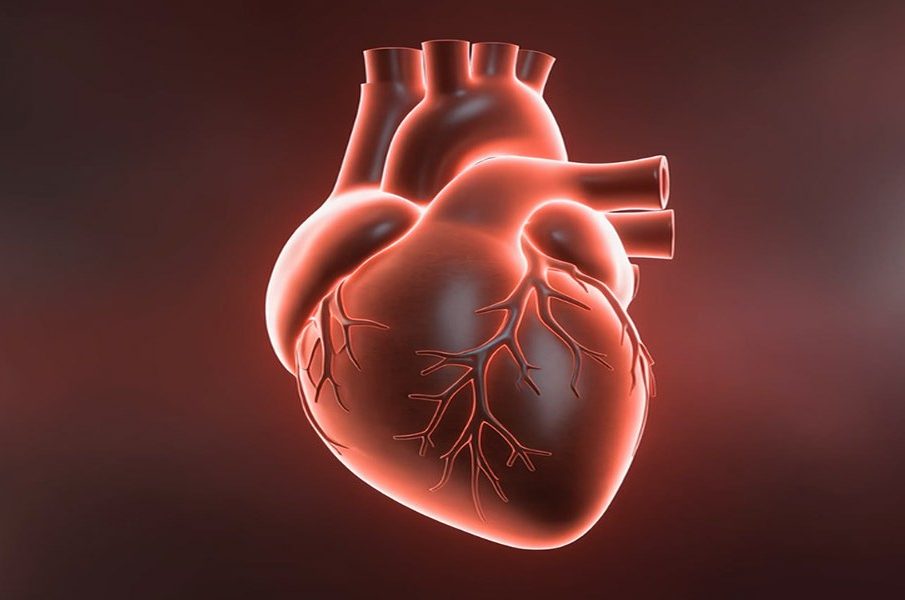
Chest pain is one of the most common and frequent signs of coronary artery disease (CAD), posing a significant diagnostic challenge for clinicians. To assess this condition, CT Coronary angiography (CCTA) is a crucial diagnostic modality. It is a non-invasive scan that uses a contrast dye and a CT scan to visualise the heart, blood vessels, and surrounding tissues.
This advanced modality offers a highly detailed view of the vascular network around the heart. This method is also used when the healthcare providers suspect coronary artery blockages or plaques. A major advantage of this scan is that the procedure does not require recovery time.
Preparation
Before undergoing the scan, you may be advised to avoid solid food for 2-6 hours. Individuals with diabetes are generally encouraged to have a light meal about three hours prior to the scan time. Smoking should be avoided for at least 24 hours prior to the scan.
Inform the technologist if there is a possibility of pregnancy. Jewellery and piercings should be removed , as they are usually not permitted in the scan room. You may be asked to wear a hospital gown during the procedure.
Maintaining good hydration is important, as it supports kidney function when the contrast is administered. Always consult a doctor before pausing any medications, particularly blood thinners or antiplatelet drugs. Additionally, inform the medical team about any known allergies, especially to contrast agents or seafood.
Procedure
A CT angiogram is typically quick and straightforward. An intravenous (IV) line is inserted, usually into the arm, to deliver medication or contrast dye. In some cases, a mild sedative may be given to help you stay calm.
Electrodes are placed on the chest to monitor heart rhythm and ensure images are captured in sync with the heartbeat. During the scan, you may need to hold your breath briefly to obtain clear images.
The contrast dye is then injected through the IV line, which may cause a brief warm sensation or feeling of needing to urinate. As the dye flows through the coronary arteries, multiple X-ray images are taken to evaluate blood flow to detect any abnormalities.
The entire process takes around 10 minutes. Once completed, the IV line is removed, and most individuals can return to their usual daily routine without delay.
When is this test recommended?
A CCTA may be advised when symptoms or clinical findings suggest heart-related concerns or when additional clarity is required. Common indications include:
- Risk for developing coronary artery disease
- Unstable Angina
- Myocardial Infarction (Heart Attack)
- Abnormal coronary artery structure
- New or worsening coronary artery disease symptoms
- You have had CABG surgery
- Preoperative assessment
- Evaluation of heart failure
- To clarify inconclusive stress test results
- In the emergency department for acute chest pain
Like any medical procedure, there may be certain risks involved with this procedure. Though most patients complete this procedure without any issue, it is important to be aware of some common risks. These may include hematoma, infection, allergic reaction or bleeding.
Disclaimer: For personalised advice and further information, always consult your doctor or qualified healthcare professional.


Leave a reply
You must be logged in to post a comment.