6 Preventive Services General Dentists Provide At Routine Checkups
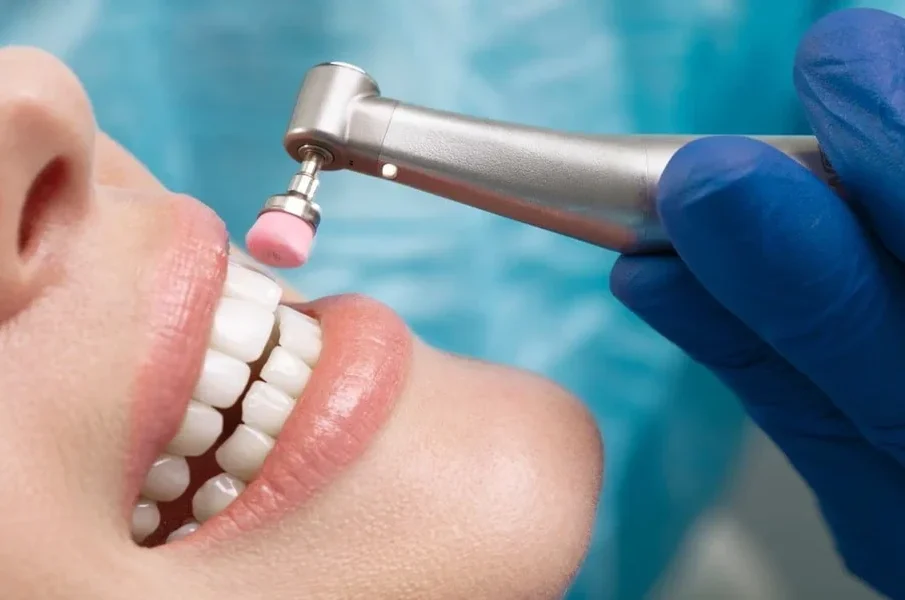
You brush, you floss when you can, and life still gets busy enough that a dental visit can slip down the list. That is normal. A lot of people wait until something hurts, then find out a small issue has turned into a filling, a cracked tooth, or gum trouble that costs more and takes longer to treat. Routine visits are not just about getting your teeth looked at. They are where a general dentist catches problems early and helps you avoid the kind of dental pain that can throw off your whole week, and can also guide you if you are interested in cosmetic dentistry in west Houston.
At a checkup, preventive care usually means six core services. Your dentist examines your teeth and gums, screens for decay, checks for gum disease, may take X rays when needed, cleans away plaque and tartar, applies fluoride when it makes sense, and looks for other changes in your mouth that should not be ignored. According to MedlinePlus, a dental exam is designed to spot issues early, when treatment is simpler and less expensive.
Routine dental checkups help stop small problems from turning into bigger ones
Tooth decay often starts quietly. You do not always feel a cavity when it is small, and gum disease can begin with bleeding when you brush, which many people shrug off. The problem is that plaque hardens into tartar, bacteria sit along the gumline, and the damage keeps moving. The CDC explains that cavities and tooth decay are common, and they do not fix themselves.
That is where preventive dental services matter. A routine checkup gives your dentist a chance to find weak spots before they become pain, infection, or tooth loss. If you have ever thought, “It does not hurt, so it can wait,” you are not alone. That is also how many avoidable dental problems get worse.
The six preventive services a general dentist often provides at regular visits
1. Oral exam. Your dentist checks the teeth, gums, tongue, bite, and existing dental work. This includes looking for chips, wear, loose fillings, swelling, and signs of grinding.
2. Professional cleaning. Even careful brushing cannot remove tartar once it hardens. A cleaning removes buildup that raises your risk of decay and gum irritation.
3. Cavity detection. Dentists look for early decay between teeth, around fillings, and in grooves where food and bacteria collect. Catching a cavity early usually means a smaller, simpler repair.
4. Gum disease evaluation. Tender gums, bleeding, and pockets around the teeth can point to gingivitis or periodontitis. Early treatment can protect the bone that supports your teeth.
5. Dental X rays when needed. X rays can reveal decay between teeth, bone loss, infection, impacted teeth, and other hidden problems that cannot be seen during a visual exam alone.
6. Fluoride treatment or other decay prevention. For some patients, fluoride strengthens enamel and lowers cavity risk. Dentists may also recommend sealants, better home care tools, or diet changes based on what they see.
This is the real value of a checkup. You are not paying only for a cleaning. You are paying for the chance to stop a problem while it is still manageable. That matters if you have dental anxiety, a tight budget, or a schedule that cannot absorb surprise appointments.
Preventive dental care often costs less than waiting for symptoms
People often delay care because they want to avoid the cost, then end up needing more treatment. A little sensitivity can turn into a deep cavity. Mild gum inflammation can turn into bone loss. A worn filling can break and leave the tooth exposed. The longer a problem sits, the fewer simple options you usually have.
Research tied to oral health goals continues to support prevention, early diagnosis, and regular access to care. The Office of Disease Prevention and Health Promotion lists evidence based oral health resources that reinforce the value of routine care in reducing disease and improving outcomes.
| Situation | What routine checkups can catch | What can happen if you wait |
|---|---|---|
| Early tooth decay | Small cavity or weak enamel | Larger filling, crown, root canal, or extraction |
| Bleeding gums | Gingivitis and plaque buildup | Periodontal disease, bone loss, loose teeth |
| Hidden pain source | Crack, infection, or decay on X ray | Swelling, severe pain, urgent treatment |
| Heavy tartar | Need for standard cleaning and home care changes | Deeper cleaning, more inflammation, higher treatment cost |
Regular dentist visits work better when you know what to watch for at home
A checkup every six months is common, but your schedule may be different if you have dry mouth, frequent cavities, diabetes, gum disease, or a history of dental work that needs monitoring. Between visits, the signs that deserve attention are usually straightforward. Bleeding gums, bad breath that stays, sensitivity, food getting trapped in one area, and a tooth that feels rough or sore are all worth mentioning.
Routine oral health checkups also give you a chance to ask about habits that slowly wear teeth down, like clenching, sipping sugary drinks through the day, or brushing too hard. Those issues rarely feel urgent in the moment, but over time they can lead to enamel loss, gum recession, and repairs you could have avoided.
Three steps you can take before your next routine dental exam
1. Write down changes you have noticed. Sensitivity, jaw soreness, bleeding, dry mouth, and trouble chewing are easy to forget once you are in the chair. A short note on your phone helps your dentist spot patterns faster.
2. Bring a full medication list. Many medicines affect saliva flow, gum tissue, and bleeding. If your mouth has felt different lately, your prescriptions may be part of the picture.
3. Treat the checkup like prevention, not repair. Book visits before you are in pain. That one shift in mindset often saves time, money, and stress, because the goal is to catch issues while they are still small.
Most people do not need perfect habits. They need steady care and a dentist who pays attention before a minor issue becomes a bigger one. The six preventive services at routine visits are the backbone of that care. If it has been a while since your last appointment, schedule a checkup and give yourself the chance to stay ahead of the problems you cannot always see or feel yet.

Leave a reply
You must be logged in to post a comment.