AI glasses for Daily Life: Hands-Free Features That Make Tasks Easier
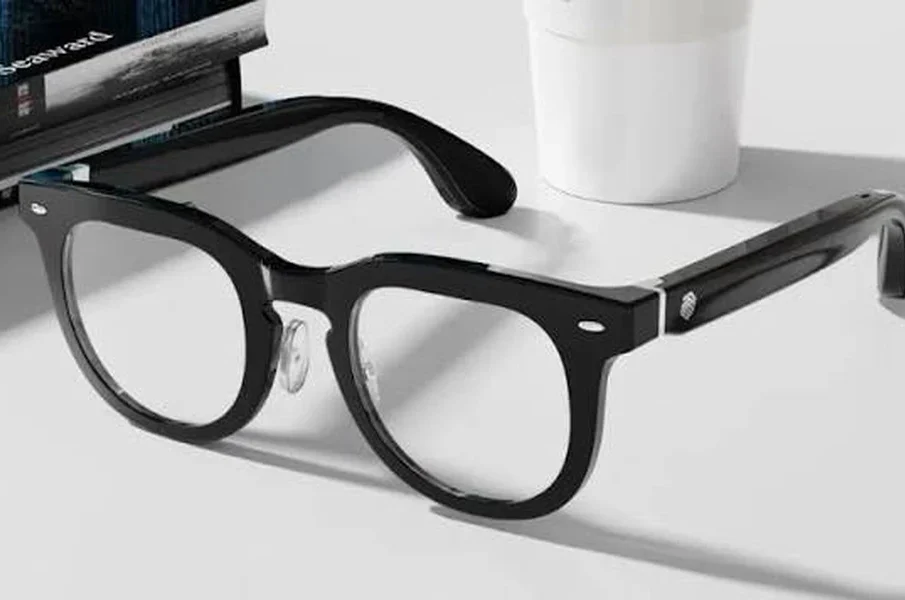
Technology is becoming easier to wear, use, and carry throughout the day. Instead of pulling out a phone for every small task, many people now look for tools that fit into their normal routine. This is where AI glasses are starting to stand out.
AI-powered eyewear can help with calls, photos, videos, music, quick answers, and simple reminders. The goal is not to replace a phone completely. It is to make everyday tasks feel more natural when your hands are busy.
From walking around the city to cooking at home, smart glasses can add support without interrupting what you are doing.
What Are AI Glasses?
AI glasses are wearable glasses with smart features built into the frame. Depending on the model, they may include a camera, speakers, microphones, touch controls, and voice support.
Ray-Ban Meta smart glasses are one example. They keep the look of classic Ray-Ban eyewear while adding features that help with daily use. This makes them easier to wear in casual settings compared with bulkier tech devices.
For many users, the main appeal is convenience. You can speak, listen, capture, or ask for help without always holding a device.
Hands-Free Photos and Videos
One of the most useful features of smart glasses is hands-free capture. Instead of reaching for a phone, you can take photos or short videos from your point of view.
This can be helpful when:
- Cooking and wanting to record a recipe step
- Walking through a new place
- Capturing a family moment
- Taking quick content for social media
- Recording a view during a casual trip
The camera sits in the glasses, so the angle feels natural. It shows what you are seeing, which can make videos feel more personal and realistic.
This is useful for people who like sharing moments but do not want to stop and set up a shot every time.
Easier Calls While Moving
Taking calls while multitasking can be awkward with a phone. AI-powered glasses can make this smoother by letting you speak and listen through built-in microphones and speakers.
This is helpful when walking, carrying bags, preparing food, or doing light errands. You can stay connected without pressing a phone against your ear.
The open-ear audio design also helps you stay more aware of your surroundings. This matters when you are outside, commuting, or moving through busy places.
For daily calls, this feature can feel more natural than wearing large headphones.
Listening to Music and Podcasts
AI glasses can also act like a light audio device. You can listen to music, podcasts, or voice messages without putting anything inside your ears.
This can be useful during short walks, coffee runs, casual work breaks, or travel. Since the speakers are built into the frame, the experience feels simple and low effort.
They may not replace high-end headphones for deep listening. However, they can be very handy for quick and casual audio during the day.
Voice Commands for Small Tasks
Voice control is one of the main reasons people are interested in smart glasses. Instead of typing or tapping, you can ask for help out loud.
For example, you may ask for a quick idea, a reminder, or information about something nearby. This can be useful when your hands are full or when looking down at a phone is not ideal.
Common daily uses may include:
- Asking for recipe ideas
- Setting a quick reminder
- Getting help with simple questions
- Asking about a place while travelling
- Starting a call or message
- Taking a photo or video
These small tasks may not seem major on their own. But when they happen many times a day, hands-free help can make life feel easier.
Help While Travelling
Smart glasses can also be helpful during travel. When exploring a new area, users may want quick information without stopping often to search on a phone.
With AI support, glasses can help answer simple questions, identify landmarks, or support live translation in certain languages. This can make travel feel more relaxed, especially when moving through airports, tourist spots, or busy streets.
Hands-free photos and videos are also useful for travel. You can capture the moment while still enjoying it in real time.
A More Natural Way to Create Content
For people who create social media content, AI glasses can make daily recording less staged. First-person clips can feel more casual and real.
This style works well for travel videos, lifestyle posts, cooking clips, product demos, events, and behind-the-scenes content. The user can move naturally instead of holding a phone in front of them.
This does not mean every clip will be perfect. Lighting, framing, and timing still matter. But for casual content, smart glasses can reduce the effort needed to capture something quickly.
Style Still Matters
Many people do not want wearable tech that looks too technical. Eyewear is also part of personal style, so the design matters.
Ray-Ban Meta smart glasses are popular because they combine smart features with familiar Ray-Ban frame styles. This makes them easier to wear every day, whether for errands, casual outings, or travel.
For those comparing options in Singapore, Spectacle Hut features Ray-Ban Meta eyewear on its site, making it easier to look at smart glasses within a familiar optical retail setting.
Things to Keep in Mind
AI glasses can be useful, but they should be used with care. Since they may include cameras and microphones, privacy matters.
It is good to be mindful when taking photos or videos around other people. Users should also review app settings, permissions, storage options, and voice features before regular use.
Battery life is another factor. Smart glasses need charging, so they work best when used as a helpful daily tool rather than a device that runs nonstop all day.
Comfort and fit are also important. Since the glasses sit on the face for long periods, they should feel stable and natural.
Are AI Glasses Useful for Everyday Life?
For many people, AI glasses are useful because they make small tasks easier. They help with quick calls, hands-free photos, music, reminders, travel support, and simple voice commands.
They are not just about advanced technology. Their real value comes from daily convenience.
When designed well, smart glasses can blend into normal routines. They allow users to stay connected, capture moments, and get help while keeping their hands free.
As AI tools continue to improve, eyewear may become one of the most natural ways to use smart technology in daily life. For now, Ray-Ban Meta and similar smart glasses show how useful wearable tech can be when it supports real tasks in a simple and familiar way.