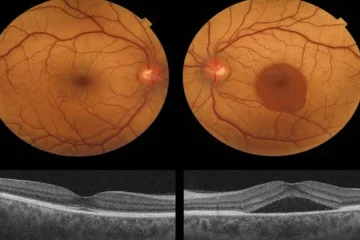
Why Eye Doctors Monitor Eye Pressure In At Risk Patients
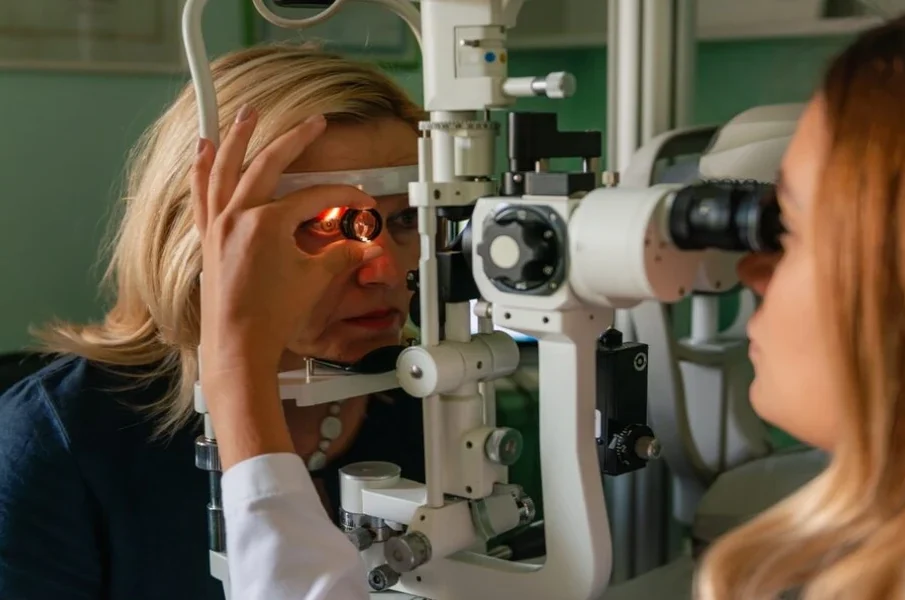
You might be feeling a little uneasy after hearing that your eye pressure needs to be checked again, especially if your vision seems fine and nothing feels wrong. That is a common place to be. Many people assume that if their eyes are not hurting and they can still see clearly, there is nothing to worry about. But when an Ophthalmologist in McLean keeps a close watch on pressure, it is usually because they are trying to catch trouble early, before you notice changes that may be hard to undo.
The short version is simple. Eye pressure can be a clue that someone is at higher risk for glaucoma and other eye problems, and regular checks help protect sight over time. Pressure alone does not tell the whole story, but it matters enough that doctors pay close attention, especially in people with a family history of glaucoma, diabetes, thin corneas, past eye injuries, or certain medications like steroids.
Why does eye pressure matter so much if you feel normal?
This is where the confusion often starts. High eye pressure does not always cause pain, blurry vision, or any warning sign you can feel. That silence is part of the problem. When pressure inside the eye rises, it can place stress on the optic nerve, which carries visual information from your eye to your brain. Over time, that stress may lead to damage linked to glaucoma.
Because of this, eye pressure monitoring for glaucoma risk is not about reacting to obvious symptoms. It is about looking for patterns early. An eye doctor may check your pressure more than once because one reading does not always tell the full story. Pressure can change during the day, and some people develop optic nerve damage even when their pressure falls within a normal range.
So, where does that leave you? It means your doctor is not being overly cautious. They are trying to build a clearer picture of your risk, using pressure as one piece of a larger puzzle.
Who is considered at risk, and why do repeat checks matter?
Some people are more likely to develop glaucoma than others. Risk tends to rise if you are older, have a close relative with glaucoma, are Black or Hispanic, have diabetes, are very nearsighted, have had an eye injury, or use steroid medicines for long periods. According to the National Eye Institute’s glaucoma information page, glaucoma often develops without early symptoms, which is why regular exams matter.
What if your pressure is only a little high? That can still matter. Some people live for years with mildly elevated pressure and never develop vision loss. Others do. The difference often comes down to the health of the optic nerve, corneal thickness, age, family history, and whether there are subtle changes on visual field testing or imaging.
This is why monitoring intraocular pressure is usually paired with other tests. Your doctor may measure your cornea, examine the optic nerve, check side vision, and repeat testing over time. MedlinePlus explains common glaucoma tests and why they are used together rather than alone.
What can happen if high eye pressure is ignored?
The hard part is that untreated pressure problems may not feel urgent until damage has already happened. Peripheral vision can begin to fade slowly, and because the change is gradual, your brain may adapt without you realizing it. By the time daily tasks become harder, some vision loss may be permanent.
There are practical worries too. Missed monitoring can lead to more visits later, more intensive treatment, and more stress around driving, reading, or working. If you are caring for family or managing a full schedule, it is easy to put off another exam. But a short appointment now can prevent much bigger problems later.
That is one reason an eye doctor may seem persistent about follow up. The goal is not to alarm you. It is to avoid the kind of silent damage that only becomes clear after it has already changed your life.
How do pressure checks fit into the bigger picture of eye care?
Eye pressure is best understood as a warning sign, not a diagnosis by itself. A normal reading does not always mean there is no glaucoma, and a high reading does not always mean you will lose vision. What matters is how all the findings fit together over time.
| What the doctor checks | What it can show | Why it matters for at risk patients |
|---|---|---|
| Eye pressure reading | Whether pressure is elevated or changing | Helps identify people who may need closer follow up |
| Optic nerve exam | Signs of early nerve damage | Can reveal harm even before you notice symptoms |
| Visual field test | Loss of side vision | Tracks functional vision changes over time |
| Corneal thickness test | How cornea thickness may affect pressure readings | Makes pressure results easier to interpret correctly |
| Repeat visits over time | Patterns instead of one time results | Supports better decisions about treatment or observation |
This table shows why checking eye pressure in at risk patients is only one step in a broader plan. Your doctor is watching for trends, not just chasing a single number.
What can you do right now if your doctor is watching your eye pressure?
1. Keep the follow up appointment.
If your doctor asks you to return in a few months, that timing matters. It usually means they want to compare results and see whether anything is changing. Even if your eyes feel fine, that visit can help catch early shifts before they affect your vision.
2. Share your full health history.
Tell your doctor about family members with glaucoma, past eye injuries, steroid use, migraines, diabetes, or blood pressure issues. These details can change how your risk is assessed and whether treatment should start sooner.
3. Ask what your numbers mean in context.
You do not need to memorize every test result, but it helps to ask simple questions. Is my pressure high for me? Does my optic nerve look healthy? Do I need treatment now or just monitoring? Clear answers can turn a vague worry into a plan you can follow.
When your eye doctor keeps checking pressure, what is the real goal?
The real goal is to protect your sight before damage steals options from you. That can feel frustrating when every visit seems to end with, “Let’s keep watching it.” Still, careful watching is often the safest and smartest move. It gives your doctor time to spot real change, avoid unnecessary treatment, and act when action will help most.
If you have been told you are at risk, try not to hear that as a reason to panic. Hear it as a reason to stay engaged. Early attention can make a lasting difference, and regular care from an eye doctor gives you the best chance to keep your vision steady for years to come.