Why is selank studied in behavioural science research?
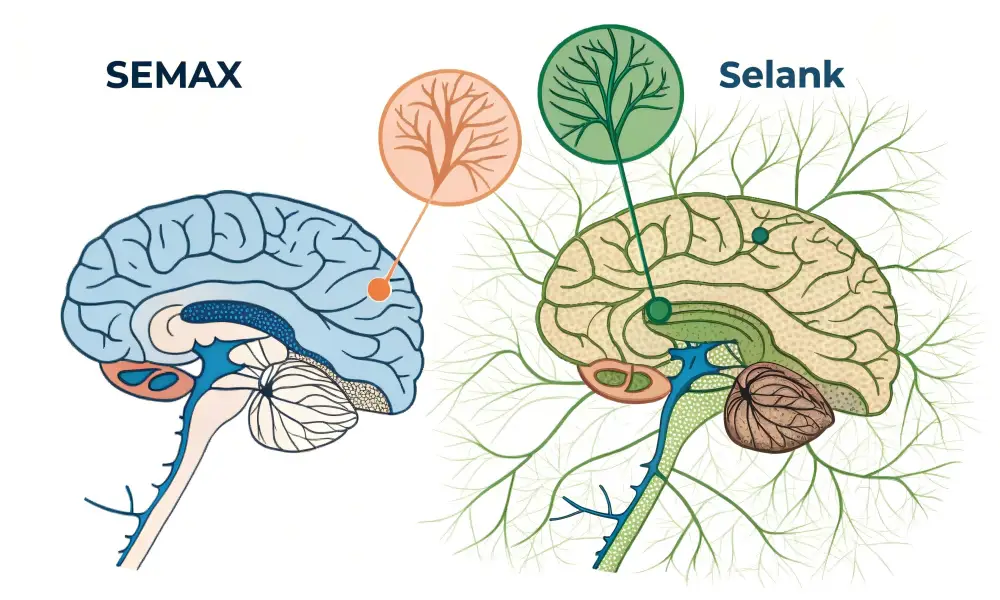
Behavioural science research shifted toward compounds addressing anxiety without cognitive impairment when traditional anxiolytics kept showing performance decrements. Selank attracted attention by demonstrating anxiolytic effects while potentially improving rather than impairing cognitive function. look at this site selank for sale typically focus on how immune peptide derivatives affect behavioural responses, learning, and emotional regulation. This peptide became useful because it reveals principles about anxiety mechanisms, stress adaptation, and cognitive-emotional interactions. Current work utilises Selank to probe fundamental questions about how emotional states influence behaviour and performance.
Anxiety model investigations
Research examines how Selank affects various anxiety models, revealing different aspects of anxious behaviour. The peptide shows efficacy across multiple paradigms, suggesting broad-spectrum anxiolytic properties. Studies compare Selank against standard anxiolytics to understand the differences in mechanisms. Conditioned fear responses get modulated when selank administration occurs before or after fear conditioning. Extinction learning improves. Fear memory reconsolidation potentially gets disrupted. These effects inform how anxiety treatments might address learned fear responses.
Stress response characterization
Selank influences stress responses through modulation of the HPA axis and direct neurochemical effects. Cortisol elevations following stress get blunted without complete suppression. Adaptive stress responses remain while maladaptive overreactions decrease. This selective modulation is of interest to researchers studying stress resilience.
- HPA axis reactivity shows reduced magnitude while maintaining appropriate response timing and duration
- Stress-induced behavioral despair decreases in forced swim tests and similar paradigms measuring coping.
- Social interaction patterns improve when anxiety-driven avoidance behaviors decrease following peptide administration.
- Exploratory behavior increases in novel environments when anxiety doesn’t override natural curiosity drives.
Learning-emotion interaction studies
Behavioral research uses selank to examine how emotional states affect learning processes. The peptide’s dual effects on anxiety and cognition provide tools for dissecting these interactions. Studies measure learning under various emotional conditions with and without peptide treatment. Emotional learning shows particular sensitivity to selank effects. Fear conditioning, reward learning, and social learning all get modulated. These investigations reveal how anxiety influences different learning types and whether reducing anxiety always improves learning outcomes.
Social behavior assessments
Selank affects social behaviors through anxiety reduction and potential direct effects on social cognition circuits. Social interaction tests show increased approach behavior and decreased avoidance when peptide treatment reduces social anxiety. These effects inform research on social anxiety disorders. Aggression and dominance behaviors show modifications in some studies. Reduced irritability and improved stress tolerance potentially contribute to altered social dynamics. The peptide helps researchers understand the neurochemical regulation of complex social behaviours.
- Social approach behaviors increase when anxiety-driven social avoidance is reduced through peptide effects.
- Dominance hierarchy interactions change when stress reactivity and aggression patterns get modulated.
- Maternal behaviours show improvements in some models when stress responses normalise after treatment.
- Group cohesion metrics improve when individual anxiety levels decrease across social groups.
Research examines whether selank’s anxiolytic and cognitive effects influence addiction-related behaviors. Anxiety often drives substance use. Stress-induced reinstatement of drug-seeking gets tested with peptide pretreatment. These studies explore whether anxiety reduction might prevent relapse. Cognitive improvements potentially help with decision-making deficits contributing to addiction. Impulsivity measures show changes in some SELANK studies. Better impulse control combined with reduced anxiety might address multiple addiction vulnerabilities.
Selank appears in behavioral research because it addresses anxiety models, stress responses, learning-emotion interactions, social behaviors, addiction-related behaviors through overlapping mechanisms. The peptide functions as both an intervention and an investigative tool for examining fundamental behavioural processes. Selank studies suggest anxiety’s impact on behaviour, learning, and social functioning extends beyond the compound itself. Behavioural outcomes are influenced by emotional regulation across various contexts, according to ongoing research.